
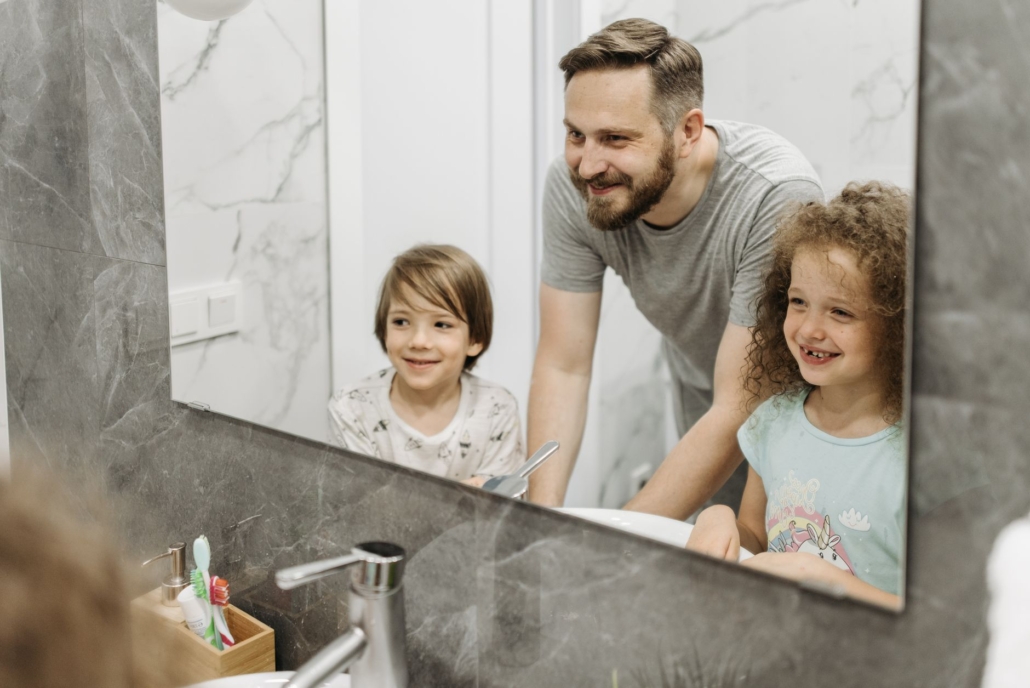
How to Build Better Dental Habits as a Family
It’s 8:30 at night. Your youngest child is asking for one more bedtime story, your teenager is still on their phone, and you’re exhausted after a long day.
Then you remember: nobody has brushed their teeth yet.
For many families, maintaining consistent dental habits isn’t about knowing what to do. It’s about finding a routine that works when life gets busy.
Most parents understand that brushing and flossing matter. But getting everyone to follow through every day can be surprisingly challenging.
The solution isn’t necessarily stricter rules or more reminders. Often, it’s about making oral hygiene feel like a natural part of family life.
If you’re searching for a Framingham family dentist, building better habits at home is one of the most valuable ways to support your family’s long-term oral health.
Here’s how to create routines that children, teenagers, and adults can realistically maintain.
Why Family Dental Habits Matter
Healthy teeth depend on more than occasional dental appointments.
What happens at home every day plays a major role in preventing cavities, gum inflammation, and other oral health problems.
Small Actions Add Up
Brushing twice daily, cleaning between teeth, and limiting frequent sugar exposure may seem like simple habits.
However, their benefits depend on consistency.
Children Learn by Watching
Young children often copy the behaviors they see at home.
When parents treat brushing as a normal daily activity, children are more likely to view it the same way.
Good Habits Can Last Into Adulthood
Learning proper oral hygiene early helps children develop skills they can carry into their teenage years and beyond.
1. Create a Morning and Evening Routine
One of the easiest ways to improve consistency is to connect dental care to activities your family already does.
Morning Routine
After breakfast, encourage everyone to brush their teeth with fluoride toothpaste.
For younger children, parents should supervise and assist.
Evening Routine
Make brushing and cleaning between teeth part of the bedtime routine.
Try to complete oral hygiene before the final bedtime story or other relaxing activities.
Keep the Routine Predictable
Children often respond well to familiar patterns.
When brushing happens at the same point in the day, it becomes less of a negotiation.
2. Make Brushing Fun for Younger Children
Young children don’t always understand why brushing matters.
For them, the activity may feel boring or inconvenient.
Making it engaging can help.
Use a Two-Minute Song
Choose a favorite song or a child-friendly brushing timer.
This can help children brush for an appropriate amount of time.
Let Children Choose Their Toothbrush
Allowing children to select an age-appropriate toothbrush may increase their interest.
Try a Brushing Chart
Create a simple chart where children can mark each completed brushing session.
Focus on encouragement rather than punishment.
Brush Together
When children see parents brushing, they may be more willing to participate.
Remember that younger children still need adult assistance to clean effectively.
3. Teach Proper Brushing Technique
Brushing twice a day is important, but technique matters too.
Use a Soft-Bristled Toothbrush
Hard bristles and excessive pressure may irritate gums and contribute to tooth abrasion.
Brush Every Surface
Encourage family members to clean:
- Outer tooth surfaces.
- Inner tooth surfaces.
- Chewing surfaces.
- Areas near the gumline.
Use Fluoride Toothpaste
Fluoride helps protect enamel against tooth decay.
For children younger than three, use a rice-grain-sized smear.
For children ages three to six, use a pea-sized amount.
Parents should supervise brushing and help children avoid swallowing toothpaste.
Replace Worn Toothbrushes
Toothbrushes should generally be replaced every three to four months, or sooner if the bristles become frayed.
4. Make Flossing Easier
Flossing is often the first habit families skip.
It may feel time-consuming, especially when everyone is tired.
However, cleaning between teeth helps remove plaque from areas toothbrushes cannot reach effectively.
Start When Teeth Touch
Children should begin cleaning between teeth when neighboring teeth make contact.
Parents usually need to help.
Choose a Comfortable Tool
Depending on individual needs, options may include:
- Traditional dental floss.
- Floss holders.
- Interdental brushes.
- Water flossers.
Not every tool is suitable for every person.
A dental professional can recommend an appropriate option.
Focus on Consistency
The goal is to clean between teeth daily, not to create a complicated routine.
5. Make Healthier Snacks More Convenient
Food choices can influence cavity risk.
Frequent exposure to sugary foods and drinks gives plaque bacteria more opportunities to produce acids.
Keep Practical Snacks Available
Consider offering:
- Fresh fruit.
- Cheese.
- Plain yogurt.
- Vegetables.
- Nuts, when age-appropriate.
- Other balanced snack options.
Limit Constant Snacking
It’s not only the amount of sugar that matters.
How frequently teeth are exposed to sugar also affects cavity risk.
Make Water the Default Drink
Encourage water between meals instead of frequent sipping of soda, juice drinks, or sweetened beverages.
These small changes can help protect teeth without making family meals unnecessarily restrictive.
6. Help Teenagers Take Responsibility
Teenagers often want more independence.
Unfortunately, oral hygiene may become less consistent as school, sports, friendships, and other activities compete for attention.
Avoid Constant Arguments
Rather than repeatedly criticizing teenagers for forgetting to brush, discuss why oral health matters.
Connect Dental Care to Their Priorities
Teenagers may be motivated by concerns such as:
- Fresh breath.
- Healthy-looking teeth.
- Avoiding toothaches.
- Maintaining orthodontic results.
- Feeling confident when smiling.
Encourage Personal Responsibility
Help teenagers manage their own dental appointments and understand how to care for braces, retainers, or other appliances.
7. Make Dental Care Easier for Busy Adults
Parents often spend so much time organizing their children’s routines that they neglect their own dental health.
However, adults also need consistent preventive care.
Keep Supplies Accessible
Consider keeping a toothbrush and fluoride toothpaste in a convenient location.
Set Reminders
Phone reminders may help adults remember appointments or establish new habits.
Avoid Skipping Dental Visits
Even when your teeth feel healthy, regular examinations can help identify problems before symptoms become noticeable.
Lead by Example
Children benefit when they see adults prioritizing their own oral health.
8. Create a Family Dental Challenge
A simple family challenge can turn oral hygiene into a shared activity.
Try a 30-Day Brushing Challenge
Create a chart with each family member’s name.
Track consistent morning and evening brushing.
Include Healthy Habits
You can also encourage:
- Daily interdental cleaning.
- Drinking water.
- Choosing balanced snacks.
- Remembering dental appointments.
Celebrate Participation
Choose a family activity, movie night, or other non-food reward.
Avoid turning oral hygiene into a competition that embarrasses children who struggle.
The purpose is to build consistency and confidence.
9. Prepare for Common Challenges
Even well-organized families experience disruptions.
Travel, illness, school events, and late evenings can interfere with routines.
When Traveling
Pack toothbrushes, fluoride toothpaste, and floss in an easily accessible bag.
During Busy School Weeks
Keep the routine simple rather than abandoning it.
When Children Refuse to Brush
Stay calm and offer limited choices.
For example, ask whether they want to brush before or after putting on pajamas.
When Someone Has Dental Sensitivity
Don’t ignore persistent discomfort.
A dental evaluation can help identify the cause and determine whether changes to oral hygiene products are needed.
10. Use Dental Appointments to Reinforce Good Habits
Home care is essential, but professional guidance can help families improve their routines.
When visiting a Framingham family dentist, ask whether each family member is brushing and cleaning between teeth effectively.
What a Dental Professional Can Help With
Depending on individual needs, dental visits may include:
- Evaluating plaque buildup.
- Identifying areas missed during brushing.
- Assessing gum health.
- Discussing cavity risk.
- Recommending appropriate fluoride use.
- Demonstrating oral hygiene techniques.
Ask Questions
Parents can ask about age-appropriate toothpaste, brushing assistance, dietary habits, and other concerns.
The more you understand your family’s needs, the easier it becomes to build effective routines.
How to Know Whether Your Family’s Routine Is Working
Good oral hygiene isn’t measured only by how white teeth look.
Healthy teeth and gums are more important than appearance alone.
Positive Signs
These may include:
- Consistent brushing.
- Regular cleaning between teeth.
- Reduced plaque accumulation.
- Healthy-looking gums.
- Fewer preventable dental problems.
Warning Signs
Contact a dentist if someone experiences:
- Persistent gum bleeding.
- Tooth pain.
- Frequent sensitivity.
- Swollen gums.
- Visible tooth damage.
- Persistent bad breath.
These symptoms may indicate a problem requiring professional evaluation.
Frequently Asked Questions About Family Dental Habits
How Long Should Children Brush Their Teeth?
Children should generally brush for approximately two minutes, with age-appropriate adult assistance.
When Can Children Brush Independently?
Children need help until they develop sufficient coordination to clean effectively.
The appropriate age varies.
Is an Electric Toothbrush Better for Families?
Electric and manual toothbrushes can both be effective.
An electric toothbrush may make brushing easier for some people.
Should Everyone in the Family Use the Same Toothpaste?
Not necessarily.
Toothpaste choice and quantity should reflect age and individual dental needs.
What If My Child Refuses to Floss?
Try a different appropriate cleaning tool, demonstrate the technique, and ask your dentist for suggestions.
Better Habits Start With Small Changes
Building a healthier family dental routine doesn’t require perfection.
It requires consistency, patience, and a willingness to make small improvements.
Start with brushing twice daily. Add regular cleaning between teeth. Make water more accessible, reduce frequent sugary snacks, and keep preventive appointments on your calendar.
Most importantly, make dental care something your family does together rather than another source of stress.
If you’re searching for a Framingham family dentist, professional guidance can help your household develop oral hygiene habits suited to different ages and needs.
At Unique Dental of Framingham, families can discuss preventive dental care and ask about available services.
Start Building Healthier Smiles Today
Healthy habits become easier when everyone participates.
Whether you’re teaching a toddler to brush, helping a teenager take responsibility, or improving your own routine, every small step matters.
Contact Unique Dental of Framingham to ask about available preventive dental services and schedule an appointment for your family.


