
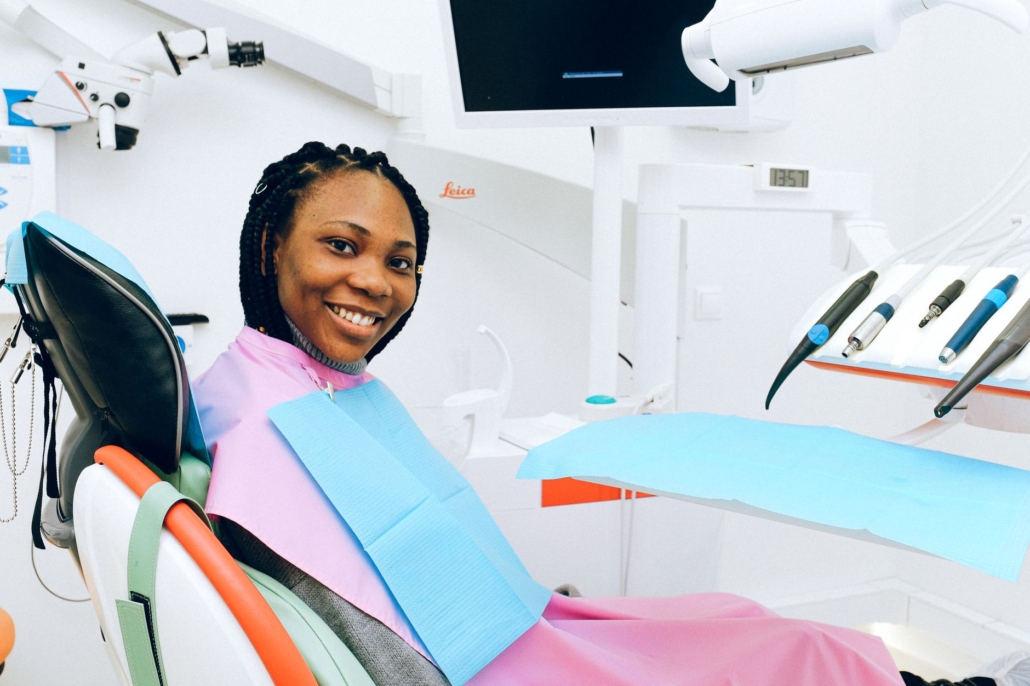
How to Prepare for Your Family’s Dental Checkup
You’ve finally managed to schedule dental appointments for everyone in the family. The kids are coming after school, you’ve rearranged your work calendar, and now you’re hoping everything goes smoothly.
But as the appointment gets closer, a few questions come to mind.
Should everyone brush right before the visit? What paperwork do you need? How do you prepare a child who’s never been to the dentist? And what should you ask while you’re there?
Dental appointments don’t have to feel complicated.
A little preparation can make the experience more comfortable, help you get useful answers, and ensure that important concerns aren’t overlooked.
Whether you’re scheduling routine preventive care or visiting a new practice for the first time, these tips can help your family feel ready.
If you’re looking for a Framingham family dentist, understanding what happens before, during, and after a dental checkup is a great place to start.
Why Preparing for a Dental Appointment Matters
A dental checkup is more than a quick look at your teeth.
It’s an opportunity to review oral health, discuss concerns, and identify potential problems before they become more serious.
Preparation Helps You Save Time
Having paperwork and insurance details ready can simplify the check-in process.
It Helps Your Dentist Understand Your Needs
Sharing symptoms, medications, and previous dental experiences gives the dental team useful information.
It Makes Children Feel More Comfortable
Children often respond better when they understand what to expect.
A calm, organized approach can help reduce uncertainty.
1. Schedule Appointments at the Right Time
Choosing a convenient appointment time can make a meaningful difference.
Consider Your Children’s Routines
Young children may feel more comfortable when they’re well-rested.
Avoid scheduling appointments during normal nap times whenever possible.
Think About School and Work
For older children and adults, choose times that reduce unnecessary rushing.
Ask About Family Scheduling
Some practices may offer appointments for multiple family members on the same day.
Availability varies, so ask the dental office about its scheduling options.
2. Gather Important Information Before Your Visit
If you’re visiting a dental practice for the first time, you may need to complete medical and dental history forms.
Preparing this information in advance can make the process easier.
What Should You Bring?
Consider having:
- Dental insurance information.
- A list of current medications.
- Relevant medical history.
- Previous dental records, if requested.
- Information about allergies.
- Details of recent dental treatment.
- A list of questions or concerns.
Why Medical History Matters
Certain medications and health conditions can affect oral health or influence dental treatment decisions.
For example, some medications contribute to dry mouth, which can increase cavity risk.
Be honest and thorough when sharing medical information.
3. Talk to Your Children About the Appointment
For younger children, unfamiliar experiences can create anxiety.
Simple explanations can help.
Keep the Conversation Positive
Explain that the dentist will examine their teeth and help them stay healthy.
Avoid Frightening Language
Don’t introduce unnecessary descriptions of painful procedures.
Answer Questions Honestly
If your child asks whether something will hurt, explain that some treatments may feel uncomfortable, but the dental team can discuss ways to help.
Try Pretend Play
Younger children may enjoy practicing a dental examination with a stuffed animal.
This can make the appointment feel more familiar.
4. Maintain Your Normal Oral Hygiene Routine
Some people wonder whether they should brush differently before a dental appointment.
In most cases, there’s no need for unusual preparation.
Brush and Floss Normally
Continue brushing twice daily with fluoride toothpaste and cleaning between teeth.
Don’t Brush Aggressively
Trying to make your teeth extra clean immediately before an appointment can irritate your gums if you use too much pressure.
Avoid Hiding Problems
If you’ve noticed bleeding gums, bad breath, or difficulty cleaning certain areas, tell your dentist.
These details can help guide recommendations.
5. Make a List of Dental Concerns
It’s easy to forget questions once you’re sitting in the dental chair.
Writing them down beforehand can help.
Questions Adults Might Ask
- Why are my teeth sensitive?
- Are my gums healthy?
- Do I need to replace an old filling?
- Am I grinding my teeth?
- How can I improve my brushing technique?
Questions Parents Might Ask
- Are my child’s teeth developing normally?
- Is my child brushing effectively?
- Would dental sealants be appropriate?
- Does my child need an orthodontic evaluation?
- How can we reduce cavity risk?
Why Questions Matter
Dental appointments should involve two-way communication.
Understanding your oral health makes it easier to follow recommendations at home.
6. Know What Happens During a Dental Checkup
Dental appointments vary depending on age, oral health, and the reason for the visit.
However, routine checkups often involve several common steps.
Reviewing Your Dental History
The dental team may ask about symptoms, medications, and previous treatment.
Examining Your Teeth
A dentist checks for signs of decay, damage, and other concerns.
Evaluating Your Gums
Gum health may be assessed through visual examination and periodontal measurements when appropriate.
Dental X-Rays
X-rays may be recommended based on clinical findings and individual risk factors.
Not every patient needs X-rays at every appointment.
Professional Cleaning
When appropriate, a dental hygienist or dentist may remove plaque, tartar, and surface stains.
Discussing Recommendations
Your dentist should explain any findings and recommend appropriate next steps.
7. Prepare for Your Child’s First Dental Visit
A child’s first dental appointment is an important milestone.
The American Academy of Pediatric Dentistry recommends scheduling the first visit when the first tooth appears or by the child’s first birthday.
What Parents Can Expect
Early visits may focus on:
- Tooth development.
- Cavity prevention.
- Feeding habits.
- Brushing techniques.
- Fluoride guidance.
- Oral habits such as thumb-sucking.
Bring a Comfort Item
Depending on office policies, a favorite small toy may help your child feel more secure.
Stay Calm
Children often notice their parents’ emotions.
A relaxed approach can help create a more positive experience.
8. Understand Your Dental Insurance Beforehand
Insurance questions can become stressful when they’re left until the appointment.
Reviewing your benefits in advance may help you avoid surprises.
Questions to Ask
- Is the practice in-network?
- Are routine examinations covered?
- What is my deductible?
- Are there copayments?
- Does my plan cover dental X-rays?
- Are there annual benefit limits?
Remember That Coverage Varies
Dental insurance plans differ significantly.
Confirm benefits with your insurer and request estimates for recommended treatment.
9. Know How to Prepare for Special Dental Needs
Some family members may require additional planning.
Dental Anxiety
If someone experiences dental anxiety, inform the practice before the appointment.
Ask about available comfort measures.
Medical Conditions
Share relevant conditions and medications.
Certain patients may need additional precautions.
Mobility Challenges
If a family member has difficulty moving or requires accessibility accommodations, contact the office in advance.
Sensory Sensitivities
Children or adults with sensory sensitivities may benefit from discussing specific needs before arriving.
When contacting a Framingham family dentist, explaining these concerns early can help the team determine what accommodations may be available.
10. What to Do After Your Dental Appointment
Your dental visit doesn’t end when you leave the office.
Following recommendations is important for maintaining oral health.
Review the Findings
Make sure you understand whether any treatment or follow-up care is needed.
Follow Home-Care Instructions
Your dentist may recommend changes to brushing, flossing, fluoride use, or other habits.
Schedule Follow-Up Appointments
If additional treatment is necessary, discuss timing and next steps.
Keep Dental Records Organized
Save important treatment information, especially if your family receives care from multiple providers.
Common Mistakes Families Make Before Dental Visits
A few avoidable mistakes can make appointments more stressful.
Arriving Late
Rushing can increase anxiety and may affect appointment availability.
Forgetting Insurance Information
Missing details can delay administrative processes.
Ignoring Symptoms
Don’t assume that pain or bleeding is unimportant.
Mention any concerns, even if they seem minor.
Making Children Fear the Dentist
Avoid using dental appointments as a threat or punishment.
Skipping Follow-Up Care
Recommended treatment or monitoring should be discussed and scheduled appropriately.
Frequently Asked Questions About Family Dental Checkups
Should I Eat Before a Dental Appointment?
For a routine examination or cleaning, eating beforehand is generally fine.
However, specific procedures may have different instructions.
Follow guidance from your dental office.
Should I Brush Before Visiting the Dentist?
Yes.
Continue your normal brushing and flossing routine.
How Long Does a Family Dental Checkup Take?
Appointment length varies depending on the patient’s needs and the services provided.
Ask the office for an estimate when scheduling.
Do Children Need Dental X-Rays at Every Visit?
No.
Dental X-rays are recommended based on individual clinical needs and risk factors.
Can Multiple Family Members Have Appointments Together?
Some practices offer coordinated family scheduling.
Contact the office to confirm availability.
Make Every Dental Appointment Count
Dental checkups are an important part of maintaining healthy teeth and gums.
But the experience can be even more valuable when you arrive prepared.
Choosing a convenient appointment time, gathering important information, discussing concerns, and helping children understand what to expect can make dental visits smoother.
Most importantly, remember that your dentist is there to help you understand your oral health.
Ask questions, discuss symptoms, and follow recommendations suited to your family’s needs.
If you’re searching for a Framingham family dentist, preparing for your appointment can help you feel more confident about your family’s dental care.
At Unique Dental of Framingham, patients can inquire about available dental services and discuss their individual oral health needs.
Get Your Family Ready for Healthier Smiles
Whether you’re scheduling your child’s first visit or arranging routine appointments for the whole family, preparation can make the experience easier.
Contact Unique Dental of Framingham to ask about available family dental services and schedule your next appointment.

