
How to Protect Your Child’s Teeth During Sports
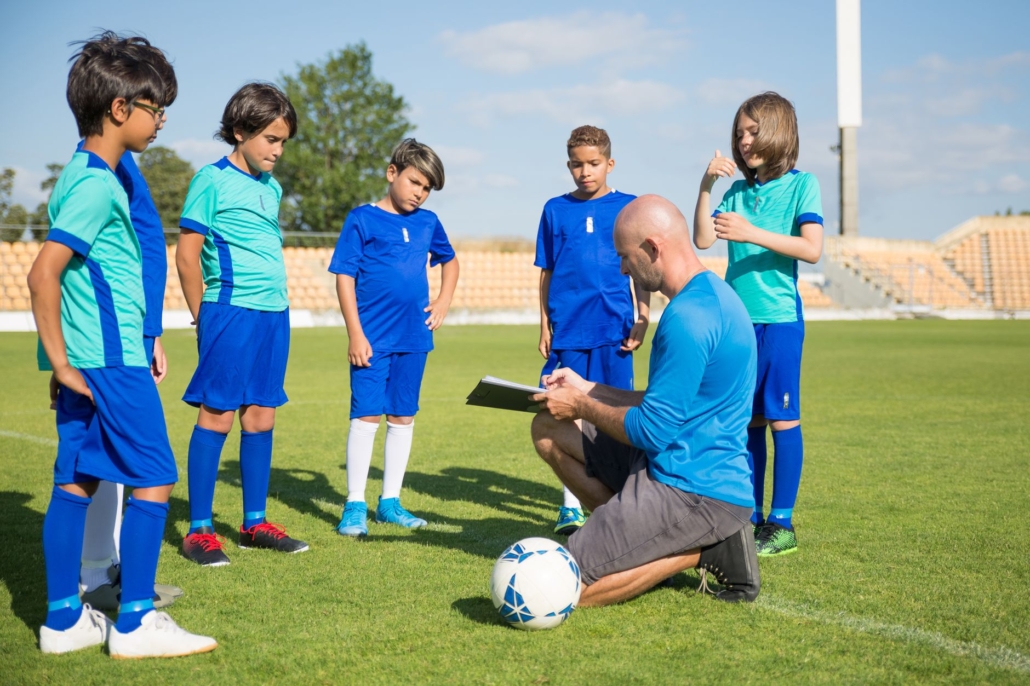
Saturday morning means soccer practice. Your child grabs their cleats, water bottle, and jersey before rushing out the door.
But there’s one piece of equipment many parents forget: a mouthguard.
Whether your child plays basketball, soccer, hockey, or another sport, protecting their teeth deserves as much attention as protecting their knees or head.
Dental injuries can happen in seconds. A collision with another player, an unexpected fall, or an accidental elbow can result in a chipped, loosened, or knocked-out tooth.
And while some injuries are minor, others may require extensive dental treatment.
The good news is that many sports-related dental injuries can be prevented or reduced with appropriate protective equipment and simple safety habits.
If you’re searching for a Framingham family dentist, understanding how to protect your child’s teeth during sports can help you make informed decisions before the next game.
Why Sports Safety Should Include Dental Protection
When parents think about sports injuries, they often focus on broken bones, sprains, and concussions.
However, the mouth is also vulnerable during physical activity.
Common Sports-Related Dental Injuries
Children and teenagers may experience:
- Chipped teeth.
- Cracked teeth.
- Loose teeth.
- Knocked-out teeth.
- Cuts to the lips or cheeks.
- Injuries to the gums.
- Jaw injuries.
Contact Sports Aren’t the Only Risk
Dental injuries can occur during activities that don’t involve deliberate physical contact.
For example, a child might fall while skateboarding, collide with another player during basketball, or get struck by a ball during baseball practice.
That’s why dental protection should be considered whenever an activity presents a risk of impact to the face.
What Is a Sports Mouthguard?
A sports mouthguard is a protective appliance worn over the teeth.
It helps cushion certain impacts and may reduce the risk or severity of injuries to the teeth and surrounding oral tissues.
How Does a Mouthguard Work?
A properly fitted mouthguard creates a protective barrier between the teeth and external forces.
It can help distribute impact forces and reduce direct contact between the upper and lower teeth.
Does a Mouthguard Prevent Every Injury?
No.
Even with a mouthguard, injuries can still occur.
Mouthguards are also not substitutes for helmets or other protective equipment, and they should not be relied on to prevent concussions.
However, wearing an appropriate mouthguard is an important part of dental injury prevention.
Types of Sports Mouthguards
Not all mouthguards provide the same fit or level of comfort.
Understanding the differences can help parents choose an appropriate option.
1. Stock Mouthguards
Stock mouthguards are sold in predetermined sizes.
They are generally inexpensive but may fit poorly.
Because they aren’t individually adjusted, they can sometimes make breathing or speaking more difficult.
2. Boil-and-Bite Mouthguards
These mouthguards are softened in hot water and then shaped around the teeth.
They may provide a better fit than stock options when used correctly.
However, fit and protection can vary.
3. Custom-Fitted Mouthguards
Custom mouthguards are made using an impression or digital scan of the patient’s teeth.
They are designed to fit the individual’s mouth.
Why Fit Matters
A mouthguard that constantly slips or feels uncomfortable is less likely to be worn consistently.
The best mouthguard is one that fits appropriately, provides suitable protection, and is used during the activity.
Which Sports Require a Mouthguard?
Mouthguards are particularly important for contact and collision sports.
High-Risk Activities
Examples include:
- Football.
- Hockey.
- Boxing.
- Martial arts.
- Lacrosse.
- Rugby.
- Wrestling.
Other Activities Worth Considering
Dental injuries can also occur during:
- Basketball.
- Soccer.
- Baseball.
- Softball.
- Skateboarding.
- Mountain biking.
- Gymnastics.
What About School Sports?
Some athletic programs require mouthguards for certain sports.
Parents should check school or league rules while also considering the actual risk of dental injury.
When Should Children Start Wearing Mouthguards?
There isn’t one universal age at which every child needs a sports mouthguard.
The decision depends on the activity, dental development, and risk of injury.
Children With Baby Teeth
Young children participating in activities with a risk of facial impact may benefit from appropriately fitted protective equipment.
Children With Mixed Dentition
During the years when baby teeth are being replaced by permanent teeth, the mouth changes frequently.
A mouthguard that fits well at the beginning of a season may become uncomfortable or ineffective as teeth erupt.
Teenagers
Teenagers involved in competitive sports should understand the importance of consistent mouthguard use during practices and games.
Can Children With Braces Wear Mouthguards?
Yes, and dental protection may be especially important for children undergoing orthodontic treatment.
Brackets and wires can increase the risk of cuts to the lips and cheeks during an impact.
Choosing the Right Mouthguard
Children with braces may need a mouthguard designed to accommodate orthodontic appliances.
A standard tightly fitted mouthguard may not be appropriate as teeth move.
Why Professional Guidance Helps
An orthodontist or dentist can recommend a suitable option and explain when the mouthguard should be replaced.
Never modify orthodontic appliances to make a mouthguard fit.
How to Keep a Sports Mouthguard Clean
A mouthguard spends time inside the mouth, so proper cleaning is essential.
Without regular care, bacteria and debris can accumulate on its surface.
Daily Cleaning Tips
After each use:
- Rinse the mouthguard with cool water.
- Clean it according to the manufacturer’s or dentist’s instructions.
- Allow it to dry as recommended.
- Store it in a clean, ventilated case.
- Keep it away from excessive heat.
Avoid Hot Water
High temperatures may distort certain mouthguard materials.
A distorted mouthguard may no longer fit properly.
Don’t Share Mouthguards
Mouthguards should be used by one person only.
Sharing them creates hygiene concerns and may result in an improper fit.
When Should You Replace a Mouthguard?
A mouthguard doesn’t necessarily last for an entire childhood.
Growing children experience changes in tooth position and jaw development.
Signs It’s Time for a Replacement
Look for:
- Cracks or tears.
- Loose fit.
- Discomfort.
- Changes in tooth alignment.
- Difficulty keeping the appliance in place.
- Significant wear.
Check the Fit Regularly
Parents should inspect mouthguards throughout the sports season.
When visiting a Framingham family dentist, ask whether your child’s mouthguard still fits properly and provides appropriate protection.
What Should You Do If a Dental Injury Happens?
Even with protective equipment, accidents are possible.
Knowing how to respond can help protect your child’s oral health.
If a Tooth Is Chipped
Rinse the mouth gently with water.
Save any broken fragments and contact a dentist for an evaluation.
If a Permanent Tooth Is Knocked Out
Act immediately.
Pick up the tooth by the crown rather than the root.
If dirty, rinse it gently without scrubbing.
If the child is old enough to cooperate and it is safe to do so, the permanent tooth may be gently repositioned into its socket.
Otherwise, keep it moist in milk or an appropriate tooth-preservation solution.
Seek emergency dental care immediately.
If a Baby Tooth Is Knocked Out
Do not reinsert it.
Reinserting a baby tooth may damage the developing permanent tooth underneath.
Contact a dentist promptly.
If There Is Significant Facial Trauma
Severe bleeding, difficulty breathing, loss of consciousness, or signs of serious head injury require emergency medical attention.
Other Ways to Protect Your Child’s Teeth During Sports
Mouthguards are important, but they work best as part of a broader safety approach.
Use Appropriate Protective Equipment
Depending on the sport, this may include helmets, face shields, and other protective gear.
Follow Safety Rules
Teach children to avoid dangerous play and follow their coach’s instructions.
Stay Hydrated
Encourage water during practices and games.
Frequent consumption of sugary sports drinks can contribute to tooth decay.
Avoid Chewing Hard Objects
Children should avoid chewing on mouthguards, ice, or other hard items that may damage teeth or protective appliances.
Maintain Regular Dental Appointments
Routine examinations can help identify existing dental problems and provide opportunities to discuss sports protection.
How Parents Can Encourage Mouthguard Use
Some children resist wearing mouthguards because they feel uncomfortable or unfamiliar.
Rather than turning it into an argument, focus on making the habit easier.
Let Your Child Participate
Allow your child to help choose an appropriate mouthguard when options are available.
Practice Before Game Day
Encourage your child to become familiar with wearing the appliance before their first game.
Make It Part of the Equipment Checklist
Keep the mouthguard alongside their jersey, shoes, and other sports essentials.
Explain Why It Matters
Children may be more willing to wear protective equipment when they understand how it helps protect their smile.
Frequently Asked Questions About Sports Mouthguards
Does My Child Need a Mouthguard for Soccer?
Soccer involves a risk of collisions, falls, and accidental facial impacts.
A mouthguard may help reduce dental injury risk.
Can My Child Wear a Mouthguard With Braces?
Yes.
However, an orthodontic-compatible mouthguard may be necessary.
Are Custom Mouthguards Better?
Custom mouthguards are designed for an individual’s teeth and may offer improved fit and comfort.
The appropriate choice depends on the child’s needs.
How Often Should Mouthguards Be Cleaned?
They should be cleaned after each use according to the product or dental professional’s instructions.
Can a Mouthguard Prevent a Concussion?
Mouthguards should not be relied upon to prevent concussions.
Appropriate helmets, sport-specific safety measures, and medical guidance remain important.
Keep Your Child’s Smile Safe on and Off the Field
Sports provide children with opportunities to build confidence, develop friendships, and stay physically active.
But protecting their teeth should be part of every family’s sports preparation.
A properly fitted mouthguard, appropriate safety equipment, and awareness of dental injury risks can make a meaningful difference.
Parents should also remember that growing children may need new mouthguards as their teeth develop.
If you’re searching for a Framingham family dentist, professional guidance can help you understand your child’s dental protection needs and available preventive care options.
At Unique Dental of Framingham, families can discuss sports-related dental concerns and inquire about available preventive dental services.
Help Your Young Athlete Smile With Confidence
Whether your child is joining their first sports team or preparing for another competitive season, dental protection deserves a place on the equipment checklist.
Contact Unique Dental of Framingham to ask about sports-related dental care, mouthguard guidance, and available appointment options.


